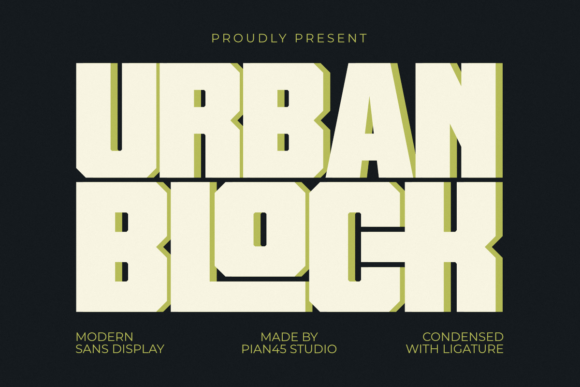
Urban Block: Commanding Attention in a Crowded Visual Space
There’s a specific kind of energy that a city has—the weight of concrete, the sharp angles of steel, the unapologetic presence of a skyline that demands you look up. In design, capturing that energy requires more than just a good idea; it requires a typeface that can carry the weight. We’ve all been there, searching for a font that doesn’t just sit on the page but practically stands up and shakes your hand. When a project calls for that kind of heavy-duty, street-level authority, standard letterforms often fall flat. You need something engineered for impact, something that feels like it was cast in iron rather than written in ink. This is where the visual language of the modern urban landscape meets typography, offering a tool that is less about subtlety and more about making a statement that sticks.
Built for the Concrete Jungle: The Anatomy of Impact
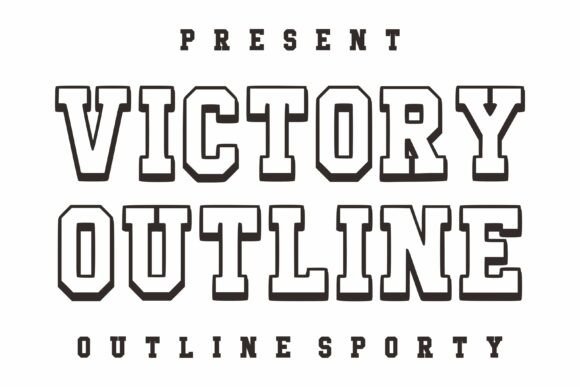
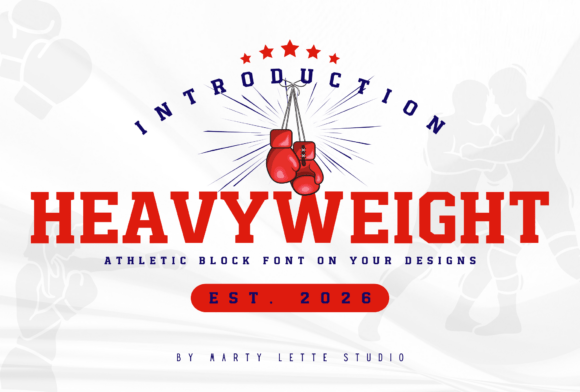
At its core, this typeface is a masterclass in geometric stability. It utilizes a massive, blocky structure that immediately anchors any design layout. Unlike delicate serifs or flowing scripts that suggest elegance or tradition, this display font is all about modern grit and reliability. The ultra-thick strokes ensure that the characters maintain their integrity whether they are plastered across a massive billboard or condensed onto a clothing tag. It is an all-caps typeface, which inherently forces a sense of uniformity and shouting importance. There is no lowercase to whisper; every letter stands at the same height, creating a monolithic skyline of text. This design choice is particularly effective for streetwear branding, where the aesthetic often relies on bold, unmissable logos that translate well to embroidery and screen printing.
The visual appeal lies in its "fearless" presence. In a market saturated with minimalism, sometimes the best way to stand out is to take up space. The clean, dominant lines of the font avoid the chaos of grunge styles while still delivering that heavy, industrial punch. It reads as professional yet aggressive, making it a versatile asset for logo design that needs to convey strength, security, or high energy. If you are designing for a construction firm, a fitness brand, or a music festival, the font does half the work for you by establishing the mood before the audience even reads the words.
From Screen to Street: Real-World Applications
Understanding the theory is one thing, but applying it to your next project is where the value lies. The versatility of a bold display sans serif is often underestimated. Because of its high readability at large sizes, it becomes the go-to choice for event posters and large-scale print materials. Imagine a concert flyer where the band name needs to be legible from ten feet away; this font handles that distance effortlessly.
However, its utility extends far beyond posters. Here is how different creators can leverage this style:
- Merchandise & Apparel: The thick strokes are perfect for heat transfer vinyl (HTV) and screen printing. Thin fonts often bleed or break when applied to fabric; this heavy design ensures crisp edges on hoodies, hats, and tote bags.
- Digital Products & Social Media: On platforms like Instagram or TikTok, you have milliseconds to capture attention. Using this typeface for thumbnail text or social media graphics creates a high-contrast focal point that stops the scroll. It pairs exceptionally well with high-resolution photography, sitting on top of the image without getting lost.
- Packaging Design: For products sitting on a shelf, the font commands attention. It works incredibly well for "front-of-pack" claims—words like "STRONG," "PURE," or "ORIGINAL." It communicates the product's benefit through visual weight alone.
- Web Design: While not for body text, it is a powerhouse for website headers. It creates a strong visual hierarchy, guiding the user’s eye to the most important information first.
Mastering the Mix: Pairing and Professional Polish
While a premium font like this can stand alone, knowing how to pair it elevates your work from amateur to expert. The golden rule of typography is contrast. Because Urban Block is so dominant, geometric, and bold, you should pair it with a secondary typeface that is softer and more readable for body copy.
Consider these practical combinations for your brand identity:
- The Industrial Minimalist: Pair the heavy display font with a light-weight, wide-tracked sans-serif for the description text. This maintains the modern, clean aesthetic but allows for comfortable reading in paragraphs.
- The Street-Luxe Contrast: Combine the blocky capitals with a flowing script font or handwritten font. This is a popular trend in editorial design and fashion logos. The juxtaposition of the rigid structure against organic curves creates a dynamic, high-fashion tension.
- The Classic Editorial: Use the bold sans-serif for headlines in a magazine layout, but drop into a classic serif font for the body text. This grounds the design in tradition while keeping the headlines feeling fresh and urgent.
When testing your pairings, pay attention to the "x-height" and the visual weight. If your header font is extremely thick, your body text shouldn't be too thin, or the contrast will be jarring rather than complementary. Always view your mockups at the actual size they will be consumed—if it’s a mobile app, view it on a phone; if it’s a banner, zoom out to see the full scale.
The Business of Type: Licensing and Consistency
For entrepreneurs and small business owners, the technical side of typography is just as important as the aesthetic. One of the biggest hurdles in commercial design is licensing. You might find a free font that looks great, only to realize later that the license prohibits commercial use, or that you need to buy a separate license for every piece of merchandise you sell. This is where investing in a reliable commercial font pays off.
When you acquire a professional typeface, you are buying peace of mind. You know that you have the rights to use it on your website, your marketing assets, and your physical products without legal gray areas. Furthermore, using a consistent typeface across all touchpoints builds brand recognition. When a customer sees that heavy, blocky text, they should immediately associate it with your brand's voice—whether that voice is "rugged," "modern," or "powerful."
Finally, review the font files you are working with. A comprehensive font family often includes different weights or stylistic alternates. Even with an all-caps display font, you might find useful symbols, numbers, or ligatures that add flair to your creative projects. Take the time to explore the character map; you might find a unique glyph that becomes the signature element of your next design. By treating typography as a strategic asset rather than just a decoration, you ensure that your visual communication is as solid as the concrete foundation of the city itself.