The Art of Ornamental Serifs: Adding Character to Your Designs
There's a particular moment in any design project when you realize the typography needs to do more than just convey information—it needs to set a mood. I remember working on a boutique candle brand's packaging last year, and we cycled through dozens of clean, modern fonts that all felt technically correct but emotionally flat. The moment we introduced a decorative serif with subtle swashes and elegant curves, the entire design came alive. Suddenly, the packaging told a story of craftsmanship and luxury before anyone even read the label. That's the quiet power of ornamental serif typefaces.
Why These Typefaces Command Attention
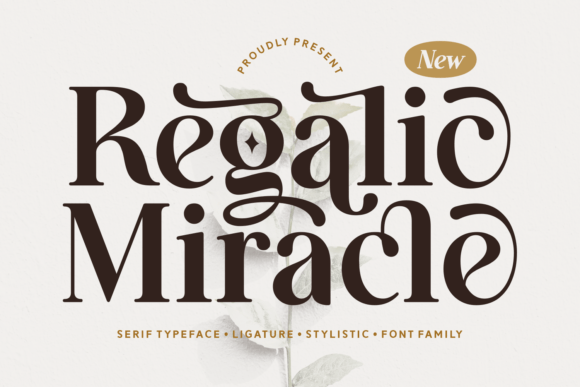
Decorative serif fonts occupy a unique space in the typographic landscape. Unlike their more reserved cousins—think Times New Roman or Georgia—these letterforms are designed with intentional flourishes. They carry the structural DNA of traditional serifs, those small strokes at the ends of letter stems that guide the eye horizontally, but they amplify the personality through exaggerated curves, distinctive terminals, and carefully placed decorative accents.
What makes them visually compelling is this tension between familiarity and surprise. Readers recognize the serif structure immediately, which provides a foundation of trust and readability. But the decorative elements introduce an element of artistry that keeps the eye engaged. A capital "Q" might feature an unexpectedly graceful tail. A lowercase "g" could have a loop that echoes calligraphic traditions. These details aren't random—they're deliberate choices that give each typeface its own voice.
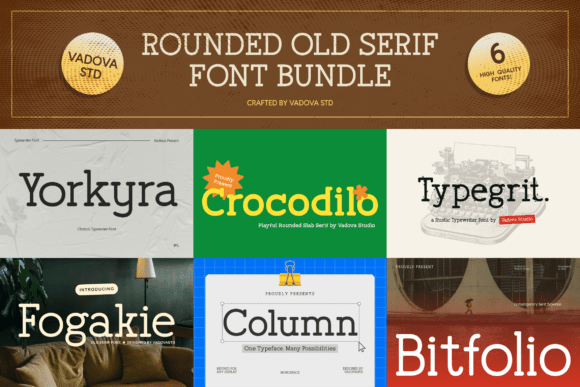
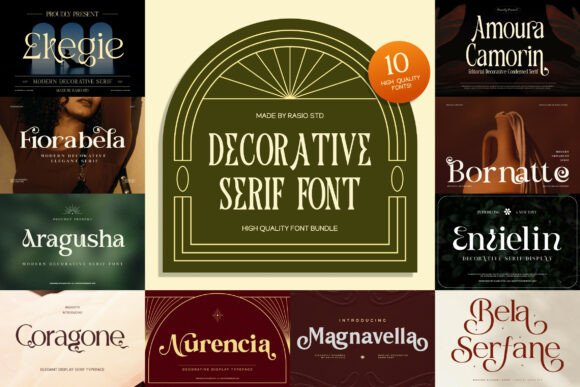
The curated collections available today, often bundled as font packages, typically draw inspiration from vintage typography, Art Nouveau, Victorian-era printing, and classical European lettering traditions. This heritage gives them a sense of timelessness that modern geometric fonts sometimes lack.
Where Ornamental Serifs Truly Shine
Not every project calls for decorative typography, but when used strategically, these fonts become powerful tools for visual communication. Here's where I've seen them make the most impact:
Brand Identity and Logo Design
For businesses that want to convey heritage, sophistication, or artisanal quality, a decorative serif can anchor an entire brand system. Think of a craft distillery, a bespoke tailor, or a high-end bakery. The font becomes shorthand for the brand's values without requiring a single word of explanation. When selecting a typeface for logo work, look for one with distinctive letterforms that remain recognizable even at small sizes or when reduced to a monogram.
Packaging and Product Design
Shelf presence matters enormously in retail environments. Decorative serifs give packaging a tactile quality, suggesting that the product inside is equally considered and crafted. Wine labels, cosmetic boxes, gourmet food packaging, and specialty coffee bags all benefit from typefaces that feel premium without being pretentious.
Editorial and Print Layouts
Magazine covers, book titles, and feature article headers are natural homes for expressive serif typography. These environments allow the font to breathe at larger sizes where its details become fully visible and impactful. A well-chosen decorative serif can transform a standard editorial spread into something that feels curated and intentional.
Invitations and Event Materials
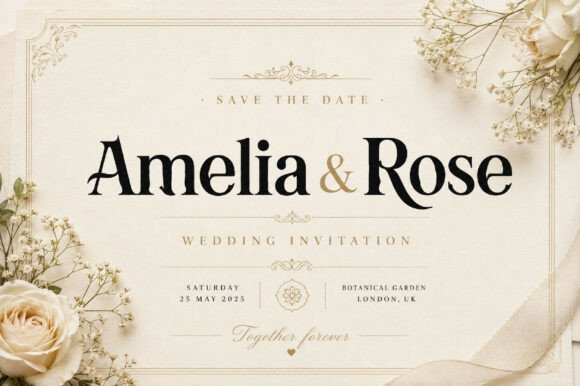
Wedding stationery, gala invitations, and luxury event collateral practically demand ornamental typefaces. The formality and romance inherent in decorative serifs align perfectly with occasions that call for elegance and ceremony.
Posters and Art Prints
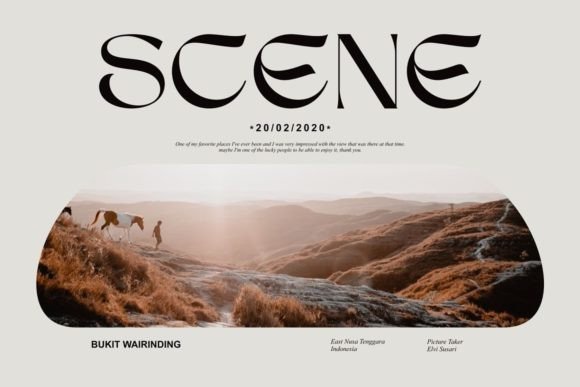
When typography needs to function as a visual element in its own right—think gallery prints, motivational posters, or theatrical show cards—decorative serifs provide the visual weight and personality that command a room.
Digital Applications
While these fonts demand more careful implementation online, they work beautifully for website hero sections, social media graphics, email headers, and digital product covers. The key is using them at sizes where their details render clearly on screen, typically for headlines and display text rather than body copy.
Matching Typography to Your Project Goals
Choosing the right decorative serif requires thinking beyond personal preference. The font needs to serve your project's communication goals. Here's a practical framework I use when advising clients:
Consider the emotional register. Some ornamental serifs feel regal and classical, evoking old-world luxury. Others lean more playful, with whimsical curves that suggest creativity and approachability. A law firm's rebrand and a children's boutique's packaging require fundamentally different energies, even if both benefit from serif typography.
Evaluate the included styles. Quality font bundles typically offer multiple weights, alternates, and stylistic variations. Before committing, review what's actually included. Do you get a bold weight for emphasis? Are there alternate characters that let you customize the look? Does it include multilingual support if your audience spans different languages? These details matter when you're building real-world projects.
Test readability at your intended sizes. A decorative serif that looks magnificent at 72 points on a poster might become illegible at 14 points in a sidebar. Print test pages at the actual sizes you'll use. View digital designs on multiple screen sizes. If the ornamental details blur into visual noise at smaller scales, reserve that typeface exclusively for large display use and pair it with something more restrained for supporting text.
Think about font pairing. Decorative serifs rarely work alone. They need complementary typefaces for body text, captions, and supporting information. A clean sans serif font often provides the perfect counterbalance, letting the ornamental serif command attention in headlines while the sans serif handles the heavy lifting of longer passages. Some designers also pair decorative serifs with simple script fonts or handwritten fonts for projects that need layered personality. The contrast between ornate and simple creates visual rhythm and prevents the design from feeling overwhelming.
Practical Considerations for Real Projects
Licensing matters more than you might think. If you're using a decorative serif for commercial purposes—and most creative professionals are—verify that the font license covers your specific use case. Some licenses distinguish between desktop use, web embedding, and digital product creation. A premium font bundle typically includes commercial licensing, but always read the terms. The last thing you want is a licensing issue after you've already printed 10,000 product labels.
Build a type hierarchy before you start designing. Decide in advance which font styles handle headlines, subheadings, body text, and accent text. This prevents the common mistake of using your decorative serif everywhere, which dilutes its impact. Think of it like seasoning in cooking—the right amount enhances the dish, but too much overwhelms everything else.
Consider your audience's context. A decorative serif that delights design-savvy audiences might feel inaccessible to readers who prefer straightforward communication. Know who's consuming your content and what typographic conventions they expect. A financial services company targeting retirees communicates differently than a lifestyle brand targeting millennials, even if both could theoretically use ornamental serif typography.
Don't neglect spacing and alignment. Decorative letterforms often have more varied widths than their simpler counterparts, which can create uneven spacing in justified text blocks. Adjust your tracking and kerning carefully, especially for logo work and headlines where every letter relationship matters visually.
Building a Versatile Design Toolkit
The most practical approach to decorative serifs is treating them as one essential ingredient in a broader typographic system. A well-rounded design toolkit might include a display serif for headlines, a complementary sans serif for body text, an accent script or handwritten font for personality, and perhaps a monospaced option for technical or editorial contexts. When you invest in a curated font bundle, you're often getting several of these pieces already coordinated, which simplifies the pairing process considerably.
What ultimately matters is whether the typography serves the story you're telling. The most beautiful decorative serif in the world is the wrong choice if it doesn't align with your message, audience, and medium. But when the match is right—when the ornamental curves and elegant strokes reinforce exactly the feeling you want to create—typography stops being a technical requirement and becomes genuine visual storytelling.
Take time to experiment. Set your actual project text in several different options before committing. Print samples, mock up layouts, test on screens. The right decorative serif won't just look good in a font specimen sheet—it will feel inevitable in the context of your specific design, like it was always meant to be there.