Wave Block: Capturing Urban Energy in Your Typography
There’s a certain electricity that comes from design that feels alive, like it was just pulled from a street art session or a music studio. You see it in the texture of a paint stroke, the slight imperfections that scream authenticity. That’s the energy we’re chasing when we look for a typeface that does more than just sit on a page—we want something that moves. If you are working on a project that needs to feel raw, grounded, and unapologetically bold, you need a font that carries weight. This is where a specific style of brush typography steps in, offering a gritty, hand-painted aesthetic that instantly connects with viewers on a visceral level.
Understanding the Grit: More Than Just a Font
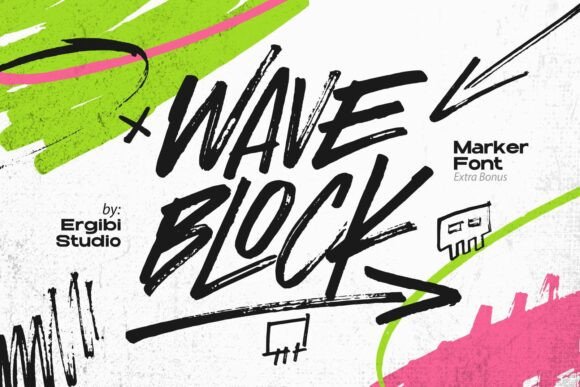
When we talk about a typeface like Wave Block, we aren't just discussing letters; we are discussing a texture. It’s crafted with realistic brush strokes, giving it that distinct, hand-painted look that digital vectors often struggle to replicate. In a world saturated with clean, geometric sans-serifs, this kind of display font cuts through the noise. It features a full suite of uppercase and lowercase letters, numerals, and essential ligatures, ensuring that your message isn't just read—it’s felt.
The beauty of this specific style lies in its imperfections. The "waviness" and the blocky, heavy nature of the strokes mimic the pressure of a human hand pressing down on paper or a wall. This makes it a premium font choice for anyone looking to avoid the sterile, "computer-generated" vibe. It’s about bringing a street-smart edge to your visual communication without sacrificing readability.
Where This Typeface Shines: Real-World Applications
Choosing the right typography is often about matching the font's personality with the project's goal. You wouldn't use a delicate script font for a heavy metal album cover, and similarly, you wouldn't use a rigid corporate serif font for a skateboard brand. This brush typeface thrives in environments where energy, movement, and authenticity are key.
Here is how different creators and business owners can leverage this style:
- Logo Design & Branding: If you are launching a streetwear brand, a fitness studio, or a coffee roaster with a rustic vibe, this font sets the tone immediately. It acts as a visual shortcut, telling your audience "we are energetic and real" before they even read the tagline.
- Album Covers & Editorial Design: Musicians and publishers often struggle to find typography that matches the intensity of their content. The bold movement of Wave Block works exceptionally well for hip-hop, rock, or indie genres, as well as magazine headlines that need to grab attention on a crowded newsstand.
- Packaging Design: For products like craft beer, hot sauce, or artisanal goods, the packaging needs to feel tactile. Using a font that looks hand-painted adds a layer of organic quality, suggesting that the product inside is made with care and raw ingredients.
- Social Media & Web Design: In the fast-scrolling world of Instagram or TikTok, you have milliseconds to stop a thumb. Bold, textured headlines are excellent for hero sections on websites or as overlay text on video content. It creates a focal point that static, standard fonts often miss.
Strategic Typography: Building Recognition and Trust
From a marketing perspective, font choice is a psychological trigger. Consistency in your typography builds brand recognition. When you use a distinct typeface like this across your packaging, social media graphics, and website headers, you create a cohesive visual identity. This consistency signals professionalism to your audience.
However, there is a balance to strike. Because Wave Block is a high-impact display font, it has a strong personality. It is designed to be the star of the show in headlines, logos, and short bursts of text. Trying to use it for long paragraphs of body copy would likely hurt readability and exhaust the reader's eye.
The key to professional presentation is hierarchy. Use this energetic brush font for your H1s, your call-to-action buttons, or your main imagery overlays. Then, pair it with a cleaner, more neutral typeface for your descriptions and body text. This contrast creates a visual rhythm that keeps the design interesting while ensuring the information is accessible.
Practical Tips for Pairing and Usage
Integrating a creative font into an existing design system requires a bit of strategy. You want to maintain the "urban vibe" without making the layout feel chaotic. Here are a few practical guidelines for working with this type of asset:
- Pair with Neutrals: To let the brush strokes stand out, pair Wave Block with a clean sans-serif or a simple geometric font. Think of the brush font as the "shout" and the secondary font as the "conversation." This ensures your marketing assets remain legible while retaining that powerful edge.
- Watch Your Kerning: Hand-painted fonts often come with specific kerning (spacing) to mimic natural writing. However, when resizing for large posters or small mobile screens, you may need to manually adjust the tracking to ensure letters don’t collide awkwardly or drift too far apart.
- Color and Background: This style looks best when it has room to breathe. High-contrast backgrounds work well. Think white text on a dark concrete texture, or a bold color on a kraft paper background. Avoid placing it over busy, high-detail photographs unless you use a solid shape or overlay behind the text to separate it.
- Review the Ligatures: A premium font often includes special character combinations (ligatures) that make letter pairs look more natural. Check your design software settings to ensure these are active, as they significantly enhance the authentic, hand-crafted feel of the typography.
Licensing and Long-Term Use
For designers and entrepreneurs, the technical side of assets matters just as much as the aesthetics. Before integrating any commercial font into a client project or your own merchandise, you must verify the licensing. Most premium fonts require a specific license for "desktop use" (printing on t-shirts, mugs, packaging) versus "web use" (embedding in a website's code).
Ensure that the license covers your specific needs, especially if you are creating digital products for resale or physical merchandise for large-scale distribution. Respecting these guidelines is part of being a professional creative and protects your business from legal headaches down the road.
Ultimately, the goal is to find design assets that work as hard as you do. By selecting a typeface that embodies raw energy and authenticity, you aren't just decorating a page—you are building a bridge between your brand's message and your audience's emotions. Whether it's a poster for a local gig or the logo for your next big startup, the right brush font provides the dynamic personality needed to leave a lasting impression.