Romance History: Where Elegance Meets Authenticity
There’s a particular kind of magic that happens when you pair a clean, structured typeface with something more personal and hand-drawn. It’s the difference between a corporate memo and a handwritten note on fine stationery. For designers, entrepreneurs, and creators, finding that perfect combination can feel like striking gold. Enter Romance History, a thoughtfully crafted font duo designed to bring both sophistication and a human touch to your work.
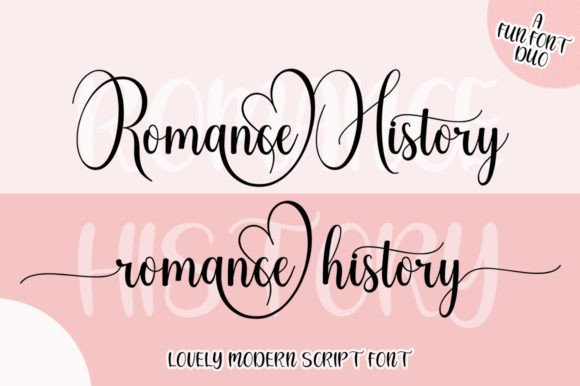
This isn’t just another script font or a standard sans serif. Romance History is a deliberate pairing: a modern, luxurious sans serif that provides a solid, readable foundation, coupled with a beautiful, flowing handwritten script. The contrast is intentional and powerful. The sans serif brings clarity, professionalism, and a contemporary edge, while the script adds warmth, personality, and an artisanal feel. Together, they create a dynamic visual conversation that can elevate a project from merely informative to genuinely memorable.
A Typeface with Dual Personality
Understanding the components of this font duo is key to using it effectively. The sans serif element is all about modern elegance. Think of it as the reliable backbone of your design—clean lines, balanced proportions, and excellent legibility at various sizes. It’s the kind of typeface that works beautifully for headlines, subheadings, body text on a website, or any situation where clarity is paramount. It communicates stability and contemporary style.
The handwritten counterpart is where the romance truly lives. This script isn’t a casual, messy scrawl; it’s a carefully designed font that mimics the fluidity and charm of natural handwriting. It carries an air of authenticity and personal connection, making it ideal for elements that need to feel intimate, luxurious, or bespoke. Used for accent text, logos, quotes, or special highlights, it adds a layer of emotional resonance that purely digital fonts often lack.
Practical Applications for Modern Creators
The true value of a creative font like Romance History lies in its versatility. It’s a design asset that can adapt to a wide range of projects, solving common visual communication challenges along the way.
For Brand Identity and Logo Design: Building a brand requires a consistent visual language. This font duo allows you to create a logo that is both professional and approachable. Use the sans serif for the main brand name to ensure it’s legible across all media—from a website header to a small favicon. Then, incorporate the script for a tagline, a brand mark, or social media profile names to add a signature touch. This combination helps a brand feel established yet personal, which is a powerful balance for small businesses and personal brands.
In Packaging and Product Design: First impressions on a shelf or in an online store are everything. Romance History can help packaging tell a story. The sans serif can list product details, ingredients, or instructions with clarity. The script can highlight the product name, a key benefit like “handcrafted” or “small batch,” or a simple, elegant “thank you” message. This contrast guides the customer’s eye and communicates both information and feeling.
For Digital Presence and Marketing: Your website, blog, and social media graphics need to capture attention quickly. Use the sans serif for readable blog post titles and body text to ensure a comfortable reading experience. Then, use the script font for pull quotes, call-to-action buttons, Instagram story headlines, or Pinterest pin titles to make them stand out. In email marketing, this pairing can make a newsletter feel more curated and less like a generic blast, potentially improving engagement.
Across Print and Editorial Layouts: From wedding invitations to business cards, posters to magazine layouts, this font duo excels. For an invitation, the script can beautifully render the couple’s names, while the sans serif elegantly presents the event details. On a business card, your name in script paired with your title and contact info in the sans serif creates a memorable, professional card. For editorial design, it can create dynamic contrast between headlines and body copy, or between feature quotes and standard text.
Aligning Typography with Your Project Goals
Choosing a font should never be an afterthought. The typeface you select is a fundamental part of your project’s message. Before diving in, ask yourself a few key questions:
- What is the primary emotion or tone? Is it luxury, warmth, professionalism, playfulness, or nostalgia? The script element of Romance History leans toward elegance and warmth, while the sans serif supports a modern, clean aesthetic.
- Who is the audience? A font pairing that works for a boutique bakery’s branding might differ from one used for a tech startup’s whitepaper. This duo has broad appeal but shines in contexts where a personal, crafted touch is valued.
- Where will it be used most? Consider the medium. The sans serif is highly versatile for both print and digital, ensuring your text remains legible on a screen or in small print. The script is best used for display purposes—larger sizes where its details can be appreciated.
A practical tip is to always test your font pairings in context. Create a mock-up of your business card, a draft social media post, or a sample webpage layout. Check the readability of the script at the size you intend to use it. Ensure the contrast between the two styles is pleasing and serves to hierarchy the information, not distract from it. Good typography should be invisible when it needs to be (in body copy) and impactful when it wants to be (in headlines).
Considering the Details: Licensing and File Formats
When investing in a premium font for commercial use, understanding the license is non-negotiable. A reputable font like Romance History will come with a clear commercial license, allowing you to use it in projects for clients, on products for sale, and across your own business assets. Always review the license terms to confirm what is permitted—most standard licenses cover a wide range of uses, from digital to print.
Furthermore, a well-packaged font duo will include various file formats to ensure compatibility with all major design software, whether you’re working in Adobe Illustrator, Photoshop, Canva, Procreate, or even basic office applications. You should expect to find OpenType (OTF) or TrueType (TTF) files, and often web font formats (WOFF, WOFF2) if you plan to use it on your website. The inclusion of multiple styles—such as regular, italic, or different weights for the sans serif—further increases its utility.
In the end, Romance History is more than just a set of characters. It’s a tool for visual storytelling. It offers a solution for the common design challenge of balancing professionalism with personality, clarity with character. By thoughtfully applying its dual nature, you can create designs that don’t just look beautiful and modern, but also communicate more effectively, resonate more deeply, and help build a stronger, more consistent visual identity for any project or brand.