Nagita: A Font That Adds Romance and Flair to Your Projects
There's a moment in every creative project when you realize the typography isn't just supporting the design—it's defining it. You've picked your colors, laid out your images, and crafted your message, but the font you choose can either tie everything together beautifully or leave it feeling disjointed. If you've ever struggled to find a typeface that feels both personal and polished, playful yet professional, you know exactly what I'm talking about. That search often leads designers and creators to explore script and display fonts, hoping to find one with enough character to stand out without overwhelming the content.
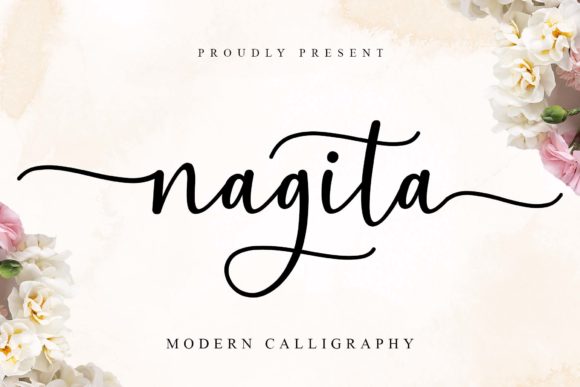
Nagita enters that space with a distinctive personality. It's a cute and romantic font, but don't let those descriptors fool you into thinking it's limited. What makes it stand out are the beautiful swashes at the beginning and end of its letterforms—those elegant flourishes that give text an almost handwritten, artisanal quality. Think of the difference between a generic birthday card and one where the script feels like it was crafted just for the recipient. That's the kind of emotional resonance Nagita aims to deliver.
Where Style Meets Practicality
Many decorative fonts look stunning in a preview but become frustrating when you actually try to use them. They might have limited characters, missing punctuation, or no alternates, forcing you to work around their shortcomings. Nagita addresses this common pain point by including a generous collection of alternates and ligatures. This means you're not stuck with one version of each letter. If a particular combination of characters feels awkward, you can often swap in an alternate that flows better. Ligatures—where two or more letters are joined into a single unit—help avoid collisions and create smoother connections, which is especially important in a script font where letters are meant to connect fluidly.
Another practical feature worth noting is that Nagita is PUA encoded. For those unfamiliar, PUA (Private Use Area) encoding is a technical standard that ensures all the extra glyphs, swashes, and alternates are accessible through standard character maps and design software. You won't need special plugins or workarounds to access the full character set. Whether you're working in Adobe Illustrator, Photoshop, Affinity Designer, or even Canva, you can typically access the alternate characters through the glyphs panel. This accessibility makes a real difference when you're on a deadline and need to quickly experiment with different stylistic options.
Applications That Go Beyond the Expected
Wedding invitations are an obvious fit for a romantic script font, and Nagita certainly excels there. The swashes add a sense of ceremony and elegance that suits formal stationery. But limiting it to one use case would be a missed opportunity. Consider how the same font could work across a cohesive brand identity for a boutique bakery, a floral studio, or a handmade jewelry line. The romantic quality doesn't have to mean "feminine" in a narrow sense—it can evoke warmth, craftsmanship, and attention to detail.
Here's where Nagita finds its footing in diverse projects:
- Branding and Logo Design: For businesses that want to communicate approachability and artistry, a script font like this can become the cornerstone of a visual identity. Imagine it paired with a clean sans-serif for body text—the contrast creates hierarchy and keeps the design balanced.
- Packaging Design: Product labels, box designs, and wrapping materials benefit from typography that feels handcrafted. Nagita's swashes can draw the eye to a product name or tagline, making shelf presence more compelling.
- Social Media Graphics: In a crowded feed, distinctive typography stops the scroll. Using Nagita for quotes, announcements, or promotional graphics can give your content a recognizable visual signature.
- Website and Blog Headers: While body text should prioritize readability (more on that shortly), headers and hero text are places where display fonts shine. Nagita can set the tone immediately, signaling to visitors what kind of brand or content they're engaging with.
- Print Materials: Business cards, brochures, posters, and flyers all benefit from thoughtful typography. A script font used sparingly for headlines or accents can elevate a design from functional to memorable.
- Merchandise and Apparel: Tote bags, mugs, t-shirts—products where the text itself is the design often rely on fonts with personality. Nagita's romantic flair suits lifestyle and gift-oriented merchandise particularly well.
- Digital Products: If you sell planners, worksheets, or printable art, incorporating a distinctive font can add perceived value and make your products feel more curated.
Making It Work for Your Brand
Choosing a font isn't just about aesthetics—it's about alignment with your project's goals and audience. A romantic script font like Nagita communicates specific things: care, creativity, a personal touch. If you're designing for a law firm or a tech startup, it probably isn't the right choice. But for a wedding photographer, a handmade soap brand, a lifestyle blog, or a children's boutique, it can feel perfectly at home.
One of the most common mistakes I see is using a decorative font for everything. It's tempting when you find something beautiful, but readability suffers quickly. Script fonts, by nature, are harder to read in long paragraphs or at small sizes. The solution isn't to avoid them—it's to use them strategically. Reserve Nagita for headlines, logos, pull quotes, and short accent text. Pair it with a straightforward serif or sans-serif for body copy. This approach gives you the best of both worlds: visual interest where it matters and clarity where it's needed.
Font pairing deserves careful attention. A bold, geometric sans-serif can ground Nagita's flourishes and create a modern-meets-classic tension. A simple serif can complement it with a more traditional feel. The key is contrast—pairing two overly decorative fonts creates chaos, while pairing two plain ones can feel flat. Spend time testing combinations in your actual design context, not just in a font preview tool. How does the pairing look at the size you'll actually use? Does it maintain its character when printed on textured paper or viewed on a mobile screen?
Readability and Professional Polish
Even the most beautiful font fails if people can't read it. With Nagita, pay attention to letter spacing, especially when using swashes. Those beginning and ending flourishes add width to words, which can affect line breaks and alignment. You may need to adjust tracking or kerning manually in some applications. Also consider your color choices—high contrast between text and background remains essential. A light script font on a pale background might look delicate in a design file but become illegible when printed or viewed on certain screens.
For commercial projects, licensing is a practical consideration that's easy to overlook. If you're using Nagita for client work, merchandise you sell, or business branding, confirm that the license covers commercial use. Most premium fonts available through reputable marketplaces include clear licensing terms, but it's worth double-checking before you commit to a font across an entire brand system. The peace of mind is worth the extra minute of reading.
Bringing It All Together
Typography is one of those design elements that works best when it feels invisible—not because it's bland, but because it serves the overall experience so naturally that people notice the message before they notice the font. Nagita has the kind of character that can anchor a brand's visual voice, making designs feel intentional and cohesive across different applications. Its alternates and ligatures give you flexibility, its swashes provide visual interest, and its PUA encoding ensures you can actually use everything it offers without technical headaches.
The real test of any font is whether it helps you communicate more effectively. Does it make your wedding invitation feel more personal? Does it help your small business logo stand out in a competitive market? Does it give your social media content a consistent, recognizable look? If the answer is yes, then it's doing its job. Take the time to explore its character set, experiment with pairings, and apply it thoughtfully. Good typography isn't about finding the flashiest option—it's about finding the right one for the story you're telling.