Paper Note: The Hand-Sketched Font with Real-World Charm
There's a certain magic in something that looks hand-drawn. It feels immediate, personal, and full of character—qualities that polished, digital perfection often misses. If you've ever wanted to capture that authentic, sketched aesthetic in your work without picking up a pencil, the Paper Note dingbats font might be the creative tool you've been searching for. It's not just another typeface; it's a visual language that can add warmth, texture, and a distinctly human touch to a wide range of projects, from wedding invitations to brand logos.
More Than Just Letters: The Visual Personality of a Sketched Font
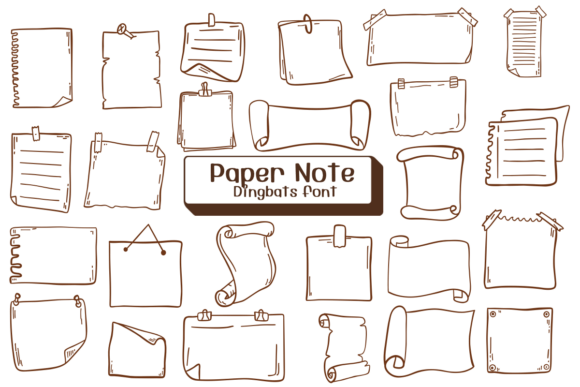
Paper Note isn't your typical serif or sans serif font. As a dingbats font, its core purpose is to provide decorative symbols and illustrations, but its defining feature is its sketched, hand-crafted style. This means the characters have the uneven lines, subtle imperfections, and organic flow of something drawn by hand on paper. This visual personality is incredibly powerful. It bypasses the cold, automated feel of standard digital fonts and injects a sense of authenticity and approachability.
Think about the difference between a perfectly typeset "Thank You" and one that looks like it was quickly sketched with affection. The latter creates an immediate emotional connection. This font works on that principle. It's ideal for projects where you want to convey creativity, care, and a personal touch. Whether you're designing a logo for a boutique bakery, creating social media graphics for a lifestyle blogger, or crafting DIY party decorations, this style helps your work stand out in a sea of uniform digital content.
Practical Applications: Where Paper Note Shines
The true value of any design asset is in how you use it. Paper Note's versatile style makes it a surprisingly practical choice for numerous applications across both digital and print mediums.
- Branding & Logo Design: For small businesses, especially in creative, artisanal, or service-oriented fields, a logo that feels personal can be a major differentiator. Paper Note can be used to create unique logotypes or accompanying brand marks that communicate craftsmanship and individuality. Imagine a logo for a hand-lettering workshop or a local pottery studio—the sketched style aligns perfectly with the brand's ethos.
- Packaging & Merchandise: Product packaging needs to tell a story at a glance. Using this font for labels, hang tags, or box designs can make a product feel special and thoughtfully made. It’s equally effective for merchandise like tote bags, mugs, or t-shirts, where a quirky, illustrative element adds appeal.
- Invitations & Event Materials: This is a natural fit. Wedding invitations, baby shower announcements, or birthday party invites benefit immensely from a hand-drawn look. It sets a tone that is celebratory, intimate, and creative before the event even begins.
- Digital Presence: In the digital realm, visual consistency is key to brand recognition. Paper Note can be used to create a cohesive look across website headers, blog post graphics, and social media profiles. For content creators, using it for quote graphics, podcast covers, or YouTube thumbnails can help establish a recognizable and engaging visual style.
- Editorial & Print Layouts: In magazines, zines, or book covers, this font can serve as a striking display element for titles, pull quotes, or chapter headings. It adds a layer of visual interest and breaks up the monotony of body text set in a more traditional typeface.
- Marketing Assets: From flyers and posters to email newsletters, marketing materials need to grab attention. A sketched font element can highlight key messages, create eye-catching call-to-action buttons, or simply make a promotional piece feel more dynamic and less corporate.
Integrating Paper Note Into Your Design Workflow
Adopting a new font into your toolkit is about more than just liking how it looks. It’s about understanding how it functions within your broader design system to achieve specific goals. Here’s some practical advice for working with a character-driven font like Paper Note.
Font Pairing is Everything. A decorative, sketched font like this is rarely used for large blocks of body copy. Its strength is in headlines, logos, and accents. To ensure readability and professional presentation, pair it with a clean, neutral typeface. A simple sans serif font (like Open Sans or Lato) or a classic serif font (like Georgia or Merriweather) often works beautifully. The contrast allows Paper Note's personality to shine without overwhelming the viewer, and the supporting font ensures your message remains clear and easy to read.
Match the Font to the Project's Goal. Always ask: what feeling do I want to evoke? Paper Note excels at conveying warmth, creativity, and approachability. It’s perfect for a children's book author, a freelance illustrator, or a wedding planner. It might be less suitable for a law firm or a corporate financial report, where a sense of formality and stability is paramount. Aligning your typeface choice with your project's core message is a fundamental principle of effective visual communication.
Test for Readability and Scalability. Before finalizing a design, test your chosen characters at different sizes. How does the sketched detail hold up when scaled down for a favicon or a small product label? Does it remain legible when viewed on a mobile screen? Sometimes, the very details that give a font its charm can become muddy at small sizes. Always do a quick check across various formats.
Understand What You're Getting. When you acquire a premium font like Paper Note, review the full character map and any included font styles. Does it offer multiple weights, or just one? Are there alternative characters or ligatures? Knowing the full scope of the font's capabilities allows you to use it more creatively and efficiently. Also, be mindful of the licensing. If you're using it for commercial projects—for a client, on merchandise for sale, or in paid advertising—you must ensure you have the appropriate commercial license. This protects both you and the font creator.
Ultimately, Paper Note is more than a collection of glyphs. It’s a design asset that can help you build a more engaging and human-centric brand identity. By using it thoughtfully—pairing it wisely, applying it to the right projects, and testing its limits—you can leverage its unique, sketched charm to create work that feels authentic, memorable, and professionally crafted. It’s a reminder that sometimes, the most effective designs are the ones that feel like they were made by a person, not just a machine.