Capturing Festive Spirit with the Vintage History Typeface
Imagine the warm glow of string lights, the scent of pine, and the sound of familiar carols. Now, imagine bottling that feeling and applying it to your next design project. That's precisely the kind of emotional resonance a typeface like Vintage History aims to deliver. More than just a collection of letters, it's a design asset built to evoke a specific mood—festive, merry, and warmly nostalgic. For designers, marketers, and creators, choosing a font isn't just about aesthetics; it's about selecting a voice for your brand's story. This particular display font, with its decorative flair and holiday spirit, offers a unique way to communicate joy and tradition through typography.
The Visual Language of a Holiday-Themed Font
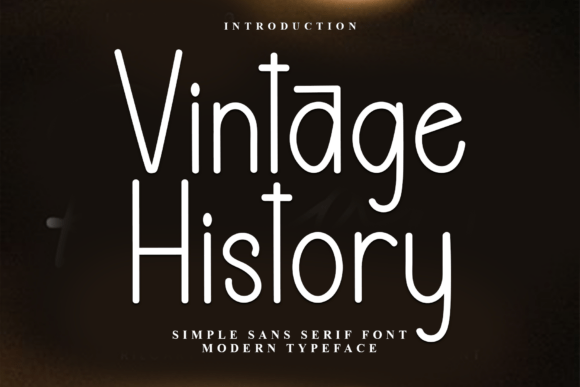
What makes a typeface feel "festive"? It's often in the details. Vintage History likely employs subtle curves, perhaps with slight variations in stroke width that mimic hand-lettering, and decorative swashes or ligatures that feel celebratory without being overwhelming. Think of the elegant loops on a 'g' or a 'y', or the way certain letter combinations connect. These elements are the typographic equivalent of a ribbon on a gift. This isn't a workhorse sans serif font for body copy; it's a creative font designed to be a centerpiece. Its visual personality is built for impact, making it a strong contender for projects where you want to immediately convey a sense of occasion, warmth, and charm. When paired correctly, it can elevate a simple design into something memorable.
Practical Applications: From Branding to Digital Products
Understanding a font's personality is one thing; knowing where to apply it is where the real value lies for your projects. A typeface like this shines in specific contexts, helping you achieve clear design goals.
- Logo Design & Brand Identity: For businesses with a seasonal focus—a boutique bakery, a gift shop, an event planner specializing in winter weddings—this font can become the cornerstone of a recognizable brand mark. It instantly communicates the business's specialty and ethos.
- Packaging Design: Product labels for holiday goods, artisanal foods, or gift sets gain immediate shelf appeal. The font's vintage charm can suggest quality, craftsmanship, and tradition, helping a product stand out in a crowded market.
- Marketing Assets & Social Media Graphics: Holiday sale announcements, festive social media posts, and email newsletter headers benefit from a typeface that captures attention. It breaks the monotony of standard fonts and can increase engagement during key shopping periods.
- Print Materials & Invitations: This is its natural habitat. Greeting cards, wedding invitations for a holiday-themed event, gift tags, and poster designs for community markets or concerts all become more enchanting. The font does much of the atmospheric heavy lifting.
- Digital Products & Editorial Layouts: Bloggers can use it for eye-catching headers to introduce seasonal content. Authors of e-books or digital planners with a festive theme can use it for cover art and chapter headings, creating a cohesive and professional presentation.
Integrating Vintage History into Your Design Workflow
Adopting a new premium font into your toolkit requires some practical consideration to ensure it works for you, not against you. First, always check the font file. A PUA-encoded font like Vintage History is a significant advantage, as it means all the decorative glyphs and ligatures are easily accessible through your operating system's character map or design software's glyph panel. No need for specialized OpenType features knowledge to get the fancy alternates.
Next, consider font pairing. A decorative display typeface needs a counterbalance. For readability, especially in longer text, pair it with a clean, neutral sans serif font or a simple serif font for body copy. For example, use Vintage History for a headline on a poster, and use a font like Lato or Open Sans for the event details below. This creates visual hierarchy and ensures your message is both beautiful and clear. Test these pairings on screen and, if possible, in print to see how they hold up at different sizes.
Finally, think about licensing. If you're using this for a client's logo, a product you sell, or widespread marketing materials, ensure you have the correct commercial license. This is a non-negotiable step for professional work and protects both you and your client. Reviewing the included font styles—whether it comes with just one weight or a family of light, regular, and bold—will also inform how flexible it is for various applications within a single project.
Making Your Typography Shine with Purpose
The true magic of a tool like the Vintage History typeface isn't just in its festive swirls, but in how strategically it's used. It’s a solution for a specific communication challenge: how to visually express joy, nostalgia, and celebration. By aligning its use with the right project—be it a brand identity for a seasonal business, a series of engaging social media graphics, or beautiful print collateral—you leverage its strengths to improve visual consistency and strengthen brand recognition. It helps your audience immediately understand the tone and context of your message. So, before you download and install, ask yourself: does my project need to tell a story of festive charm? If the answer is yes, then this kind of creative font could be the perfect character to cast in your next design narrative.