Buttercup: A Handwritten Font That Feels Like a Warm Hug
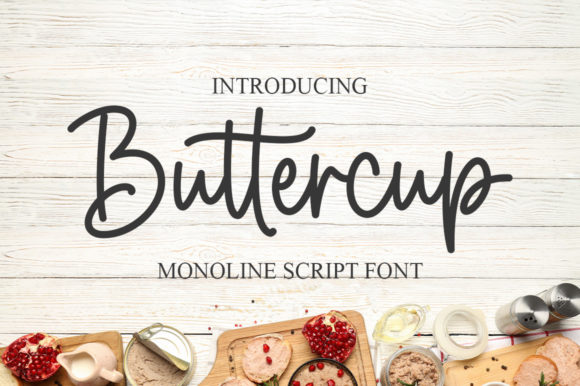
There’s a certain magic that happens when a design feels genuinely personal. You see it in a wedding invitation that doesn’t look like it came from a template, or a bakery’s branding that feels as warm as their fresh-baked cookies. That magic often starts with the right typeface, one that carries personality in its very strokes. Enter Buttercup, a dainty and flowing handwritten font that embodies sweet, joyful energy. It’s more than just letters on a page; it’s a tool for adding a touch of romance and authenticity to projects that need to connect on a human level.
What makes a font like this stand out in a sea of modern typography? It’s all in the details. The gentle curves and slight imperfections mimic the natural flow of hand-lettering, giving it a warmth that crisp, geometric sans serif fonts simply can’t replicate. This isn’t a font for corporate reports or dense body text. Its strength lies in its expressive, script-like quality, making it ideal for headlines, logos, and accents where you want to evoke specific emotions—joy, elegance, nostalgia, or playful charm.
Where Your Brand Can Blossom: Practical Applications
Thinking about how to use a creative font like Buttercup effectively is key. Its personality is strong, so it shines brightest when used strategically. For small business owners and entrepreneurs, this font can become a cornerstone of a memorable brand identity. Imagine it on a artisanal candle label, a florist’s shop sign, or the logo for a boutique jewelry maker. It immediately communicates a handcrafted, high-quality sensibility that resonates with customers looking for something special.
For content creators and marketers, its value extends into the digital realm. Social media graphics are a prime example. A quote overlay on an Instagram story, a Pinterest pin for a DIY project, or a promotional banner for a seasonal sale gains an instant dose of personality. It helps your content stop the scroll because it feels different, more authentic, and less like a stock template. The same principle applies to digital products like e-books, worksheets, or online course materials. Using Buttercup for chapter titles or key section headers can make digital downloads feel more premium and thoughtfully designed.
Don’t overlook its power in print and packaging design. Wedding invitations are a classic use case for a reason—the font’s romantic, flowing nature sets the perfect tone for a celebratory event. But it extends to greeting cards, thank-you notes, product packaging for handmade goods, and even posters for local community events or farmer’s markets. The goal is always to create a cohesive and inviting visual experience that speaks directly to your target audience.
Beyond Beauty: Making Smart Typographic Choices
Falling in love with a font’s aesthetic is easy. Using it effectively is where strategy comes in. A common pitfall is overuse. Because a handwritten font like Buttercup is so distinctive, slathering it across every element of a design can lead to visual chaos and actually harm readability. The golden rule is often moderation. Pair it with a clean, neutral typeface for body copy. A simple sans serif or a classic serif font can provide the perfect counterbalance, ensuring your message is both beautiful and legible.
This brings us to the essential practice of font pairing. Testing how Buttercup interacts with other fonts in your toolkit is non-negotiable. Does it sit well alongside your chosen body font? Do their x-heights and overall weights feel balanced? A good pairing creates hierarchy and guides the viewer’s eye naturally. You might use Buttercup for a main headline, a complementary serif for subheadings, and a highly readable sans serif for paragraphs. This layered approach maintains professionalism while injecting creative flair where it counts.
Always consider the context of your project. A font that’s perfect for a whimsical bakery logo might not have the authority needed for a law firm’s website header. Buttercup’s sweet and joyful character is a tremendous asset for brands in lifestyle, wedding, beauty, food, and creative service industries. It helps build recognition by tying your visual communication directly to the emotional experience you want to create for your customers.
From Screen to Paper: Ensuring Cohesion and Clarity
A typeface needs to perform across multiple mediums. Before committing, check how the font renders at different sizes. A beautiful script can become an unreadable squiggle at 10-point size on a website. Test it in your actual use cases: on a mobile screen, in a printed brochure, on a physical product mockup. Look at the legibility of individual characters, especially tricky ones like the lowercase ‘e’ or ‘l’ in a flowing script, and ensure letter spacing feels comfortable.
When you invest in a premium font, you’re also investing in the design assets that come with it. Look for what’s included. Does the Buttercup typeface family offer multiple weights or styles? Perhaps a regular, bold, or even a more simplified version for smaller sizes? Additional stylistic alternates or swashes can provide even more creative flexibility, allowing you to customize the look for different projects and keep your designs feeling fresh.
Finally, for any commercial project, licensing is a critical consideration. Ensure the font license covers your intended use, whether it’s for a client’s logo, merchandise for sale, or widespread digital distribution. Reputable font foundries are clear about their terms, giving you peace of mind to use your chosen creative font confidently in your professional work. A thoughtfully chosen, well-implemented typeface like Buttercup does more than decorate—it communicates, connects, and becomes an integral part of your story.